
A load-bearing wall that is attacked without checking the structural plan, an evacuation that is moved without sufficient slope, a makeshift electrical circuit on an old panel: most renovation projects that go wrong share the same flaw. Work has begun before understanding what is being touched. Successfully carrying out DIY and renovation work at home relies less on manual talent than on preparation and the order in which each task is approached.
Technical diagnosis before renovation work: what is often overlooked
Before choosing a paint color or a new floor covering, it is worthwhile to inspect the points that are not visible. The condition of the framework, the presence of moisture in the walls, the compliance of the electrical panel, and the capacity of the drainage system dictate everything else on the site.
A simple test involves placing a piece of plastic film against a suspicious wall for 48 hours. If condensation appears on the wall side, the problem originates from within the masonry, not from ventilation. This type of check prevents applying a decorative coating on a substrate that will peel it off in a few months.
For energy renovation, the MaPrimeRénov’ scheme now requires a energy audit before and after work for extensive renovations, with specific requirements regarding the DPE classes to be achieved. It is therefore advisable to have this audit carried out from the outset, even if one is not seeking assistance, because it prioritizes tasks by actual impact. Addressing insulation before changing the heating system, for example, recalibrates the necessary power and modifies the budget.
Specialized resources like Cécile Bricole’s website detail the concrete steps of many renovation projects, from structural work to finishing touches, with a practical perspective that helps anticipate common pitfalls.
Phasing the DIY project: in what order to renovate
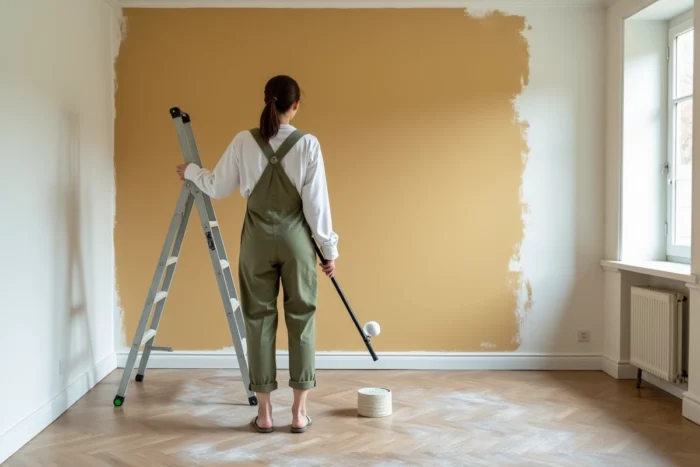
The most common mistake in renovation is tackling visible tasks (painting, flooring, kitchen) before addressing hidden issues. A well-sequenced project follows a descending logic: structure, then networks, then partitioning, then finishing.
Structure and major work first
Start with everything that affects the building’s stability. Opening or closing walls, foundation repairs, crack treatment. Modifying the structure after finishing requires starting all over again.
Technical networks next
Electricity, plumbing, ventilation. These networks run through the walls and floors. As long as they are not installed and tested, laying tiles or flooring makes no sense. In an interior renovation project, the time required to bring the electrical system up to code is often underestimated.
Insulation, partitioning, and finishing
Insulation comes after the networks to avoid having to drill through it. Then comes plaster, coatings, paint, and floor coverings. Interior carpentry (doors, baseboards) is installed last, when no one is moving around with equipment.
For assisted energy renovation, the ANAH imposes a completion deadline of 3 years, reduced to 1 year if an advance has been paid. It is possible to carry out the work in two phases over a period of 5 years. This regulatory phasing should be integrated from the initial planning, or one risks losing the benefit of the assistance.
Choosing materials and tools: balancing quality and budget
The reflex to buy the cheapest often costs more at the time of installation. A low-cost coating that dries too quickly prevents proper smoothing. A low-quality laminate floor warps at the first change in humidity. This does not mean buying everything at the high end, but targeting areas where the quality of materials has a direct impact on durability.
- Fasteners and hardware (screws, plugs, adhesives) deserve investment: an inappropriate plug for the substrate is the leading cause of falling wall elements
- Measuring tools (laser level, quality tape measure, stud finder) determine the accuracy of the entire project
- Insulation materials (wool, rigid panels) should be chosen based on the actual substrate and not just the displayed thermal coefficient
Renting a specialized tool costs less than a botched job. For tile cutting, a router, or a belt sander, daily rental avoids buying equipment that will only be used once and will gather dust in the garage.
Safety on a home renovation site
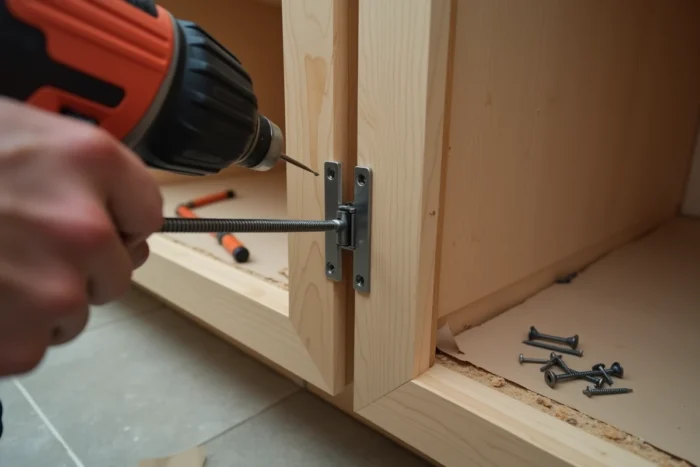
Safety is rarely discussed in DIY tips articles, even though domestic accidents related to construction remain frequent. The majority concern falls (unstable ladders, makeshift scaffolding) and hand injuries (cutting without gloves, handling glass or sheet metal).
- Wear protective glasses for any cutting, drilling, or sanding, including for a simple cut with a grinder
- Use a standardized and stable ladder instead of a chair or a stack of boxes
- Always turn off the circuit breaker before working on an electrical circuit, even to change a socket
- Ventilate the room during and after applying products (paint, varnish, stripper), especially in small indoor spaces
Feedback varies on this point, but many experienced DIYers believe that good site lighting (adjustable LED spotlight) significantly reduces measurement errors and imprecise actions. Working in dim light is an underestimated accident factor.
Energy renovation and recent regulatory constraints
Homes classified F or G in the DPE are subject to increasing rental restrictions. The housing bill discussed by the Senate and Batirama, however, provides for temporary exemptions if a work contract is signed, with deadlines of up to 3 years for a single-family home and 5 years in a co-ownership.
This nuance changes the game for landlord owners who are hesitating between selling and renovating. A formal commitment to work allows the property to remain rented while the project is completed, provided that the contract is documented.
For owner-occupiers, the logic is different, but timing also matters. Carrying out extensive renovation under the assisted scheme involves meeting a minimum gain in DPE classes, which guides technical choices. Renovation is not approached the same way whether aiming for a transition from G to E or from D to B.
Technical preparation, adherence to a logical order of work, and the reasoned choice of materials remain the three levers that separate a successful renovation project from an abandoned site halfway through. It is better to postpone the start of work by two weeks to finalize the diagnosis than to discover a structural problem after laying the tiles.